
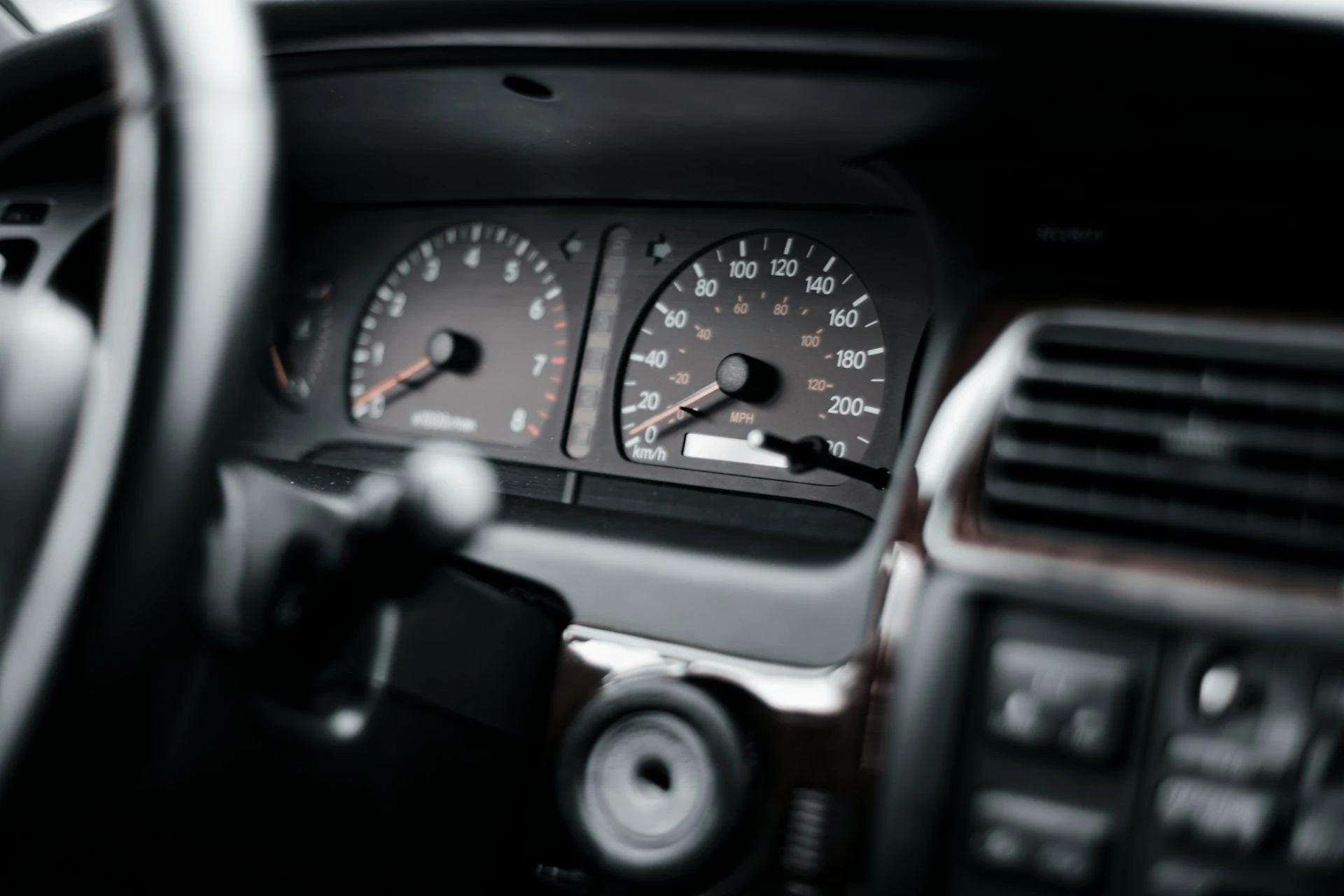
First, the basics: what is an odometer, and why is there so much talk about rolling back its readings. An odometer is the primary indicator of a car’s wear. Together with model year, the distance a car has traveled tells you whether it’s even worth considering for purchase. There are many nuances, so we’ll take them one at a time.
Odometer Rollback: Why It Even Matters
The odometer counts the total distance a car has traveled in miles. Along with other indicators, it tells you a great deal about how the vehicle was used, even when you’re buying a used car that isn’t a wreck. Why?
Engines And Mileage
Every engine has a critical distance, measured in miles, that it can carry before needing a major overhaul. Simplifying, let’s roughly divide them into two types: naturally aspirated and turbocharged engines. For the former, the distance to overhaul is significant: 200k-250k miles. But turbocharged engines lose out here, as they can only run 125k miles before overhaul.
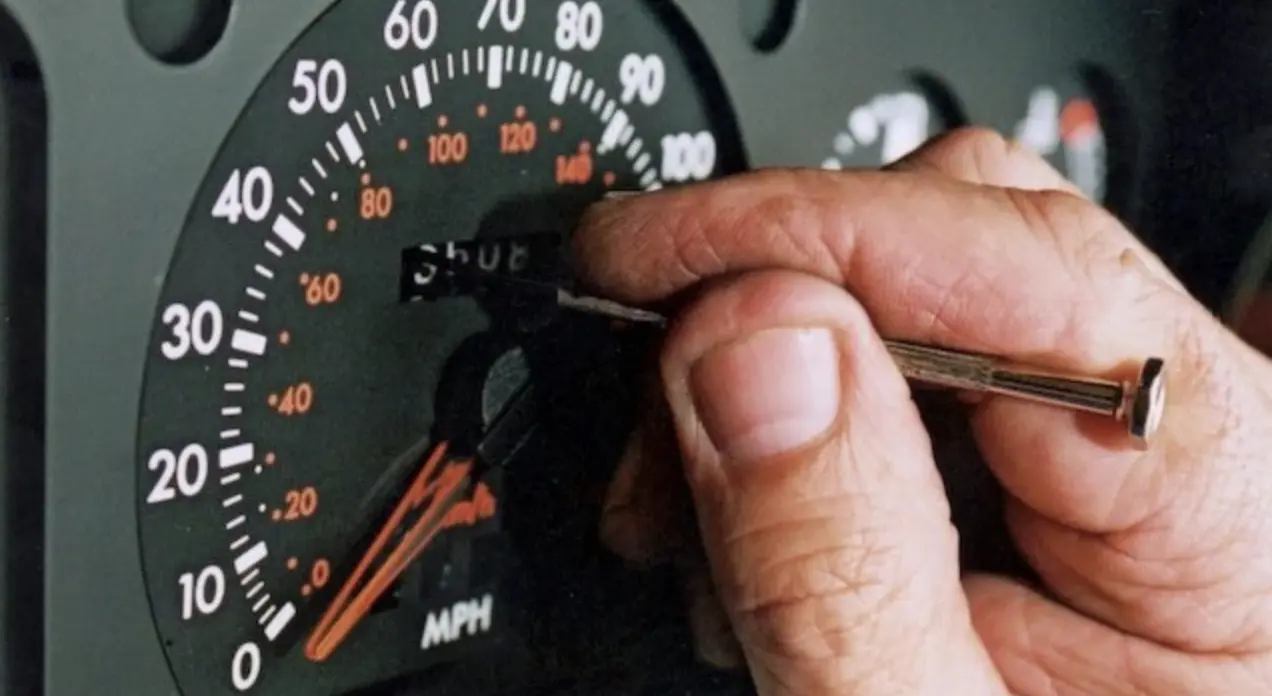
This leads to the first and most important conclusion: mileage is a crucial indicator! When a seller rolls back the odometer, they are deceiving the buyer. Is it always bad? Yes. No exceptions, it’s a major red flag!
How to Detect Mileage Fraud Before It Costs You Thousands
There is one main piece of advice for avoiding trouble and not buying a car with a rolled-back mileage, and it’s quite simple to follow: order a full vehicle check. It includes a full Plate Lookup report and a PPI.
A report shows mileage history, includes vehicle photos, the full history, and auction records. This report will reflect any potential tampering with the odometer readings, if there is any.
The Plate Lookup report is the investment that will protect you against potential future problems and a massive headache.
Imagine this: you’ve bought a car with a rolled-back odometer. What happens when you want to sell it?
Get more details in the app
The website check is a quick screen. In the app you can access deeper history context and additional vehicle data in one place.


Odometer Rollback FAQs We Must Answer
We’ve gathered the most pressing questions about odometer fraud in one place—let’s get to the meaning behind them.
Odometer rollback means a seller intentionally rolled back the mileage to lower it and inflate the car’s price.
Rolling back miles is a crime in every country. In the US, if a private seller sold you a car with tampered mileage, you have a strong case for a lawsuit under the Federal Odometer Act. In the EU it is similar but not identical: private sales often follow as-is (bought as seen) rules, so proving the seller knew about the rollback is key. Check the service book and European history databases. In many EU countries this is a criminal offense—report it to the police immediately to void the contract and get your money back, and seek legal advice for your situation.
Yes, on some vehicles with digital odometers it’s possible. For example, if the previous owner swaps out the cluster, the mileage may not update to match the car. If a vehicle has, say, 250k miles and the owner installs a cluster from a vehicle with 90k, the readout can start from there—another reason to cross-check history, not just the dash.
If a private seller sold you a car with an odometer rollback, you have every reason to take legal action. Gather your paperwork and speak with an attorney about remedies in your state.
If a dealer sold you a car and you suspect odometer rollback, contact the dealer to demand a full refund or a replacement. If they refuse, file a complaint with your local DMV and consult an attorney to pursue damages under consumer protection laws.